The Complete Guide to Corporate Event Planning in 2025
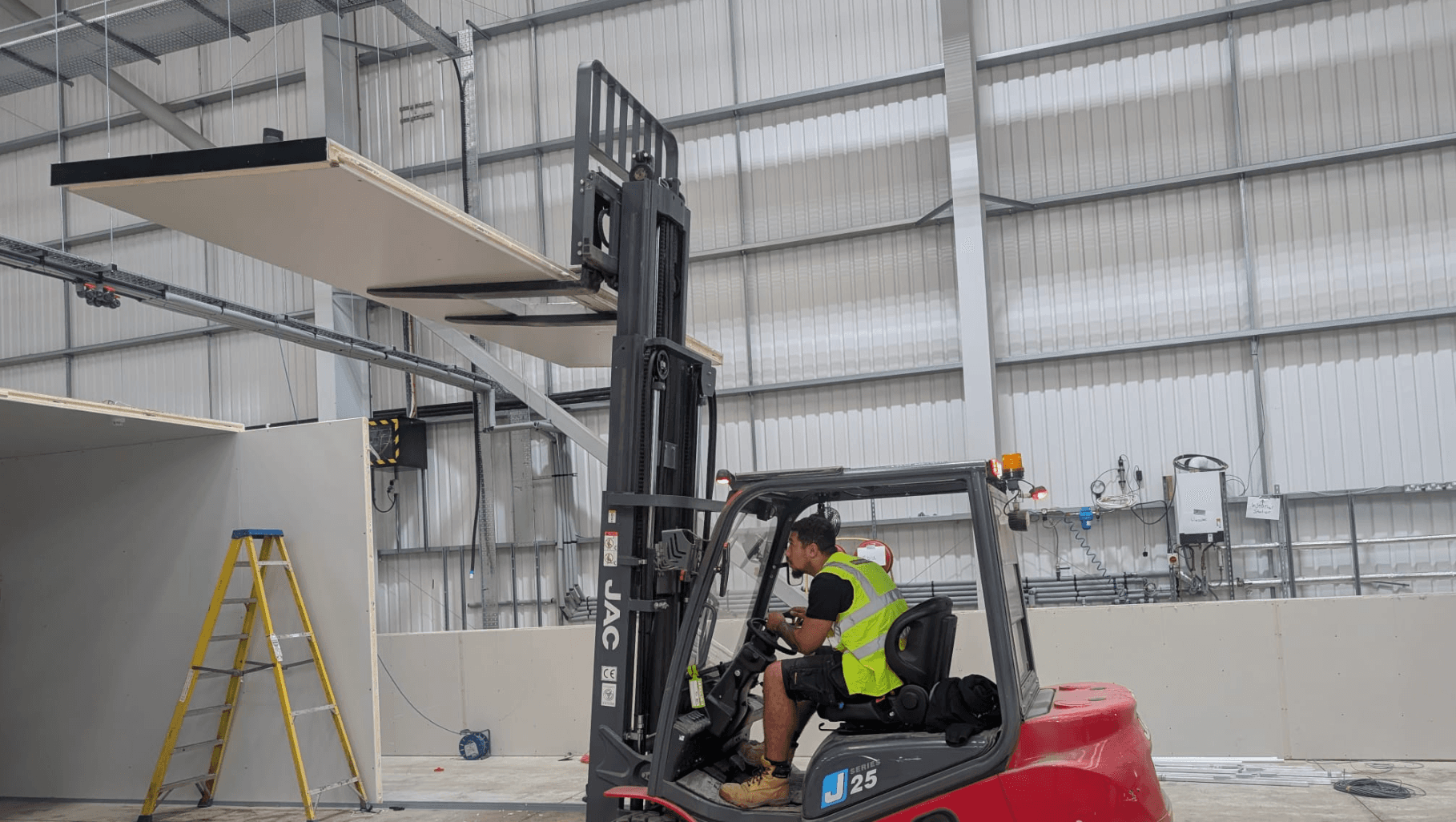
It’s 7:12 a.m. at ExCeL London. Forklifts hum in the service road. The banksman waves in a Sprinter to the dock on the minute. A carpenter runs a hand over the last fascia, checking for proud screws. The LED tech runs a quick blackout, then reloads the showfile for good measure. In forty‑eight minutes, doors open for a 900‑person product launch, and if one link in the chain slips, guests feel it immediately.
Corporate events in 2025 aren’t “nice to have.” They’re where brands launch, deals begin, and teams align. The difference between memorable and mediocre often comes down to planning discipline and the quality of the crew delivering it.
What success feels like in 2025
A successful corporate event feels effortless to guests. That effortlessness is engineered: a brief everyone understands, a run‑of‑show that’s been rehearsed, a venue plan that respects real‑world constraints (lift sizes, dock slots, power), and a crew who’ve done this enough times to keep the radio quiet. If Operations channel is calm, you’ve done it right.
A story-driven timeline: from 12 weeks out to showtime
Weeks 12–10: Set the brief and the bar
Define the “why” and the “win” in one line you can read out on comms. Agree budget guardrails and who can approve changes. Shortlist venues based on access (dock/yard rules), power (available tails and distro), ceiling height/rigging points, and turnaround windows. Bring your crew lead in now. Good plans are built around how the room actually loads, not how a floorplan looks.
Weeks 9–7: Lock the room, align the vendors
Venue confirmed; site visit booked with the duty manager. Catering, AV, and staging partners are chosen for fit, not just price. Your crew provider reserves the right mix (general crew, carpenters, LED, AV) and pressure‑tests the schedule for pinch points: goods lift bottlenecks, housekeeping clashes, noise curfews, marshalled access. Book vehicle slots early.
Weeks 6–4: Design meets logistics
The running order takes shape. Creative teams and crew chiefs walk the venue together, confirming load‑in routes, lift dimensions, floor loading, rigging capacities, and where power actually lives. Marketing begins; floor plans are version‑controlled. Write risks down with a mitigation and an owner. If it isn’t written, it won’t happen.
Weeks 3–1: Rehearse the reality
Attendee lists firm up. Delivery slots and goods lift bookings are locked. Final technical rehearsal confirms cues, contingencies, and comms discipline (ch1 stage, ch2 back‑of‑house, showcaller on both). Crew are briefed on what “good” looks like, and the first three moves if Plan A needs a Plan B.
Event week: Quiet, calm execution
Crew arrive early, not on time. Build to a checklist, then test like a pessimist. Walk the space as a guest would (sightlines, sound, signage). Show runs to the minute; strike is orderly, labelled, and leaves the venue cleaner than it was found.
Who actually makes it happen
Great events are a team sport:
- General event crew keep momentum up without cutting corners: load, build, room flips.
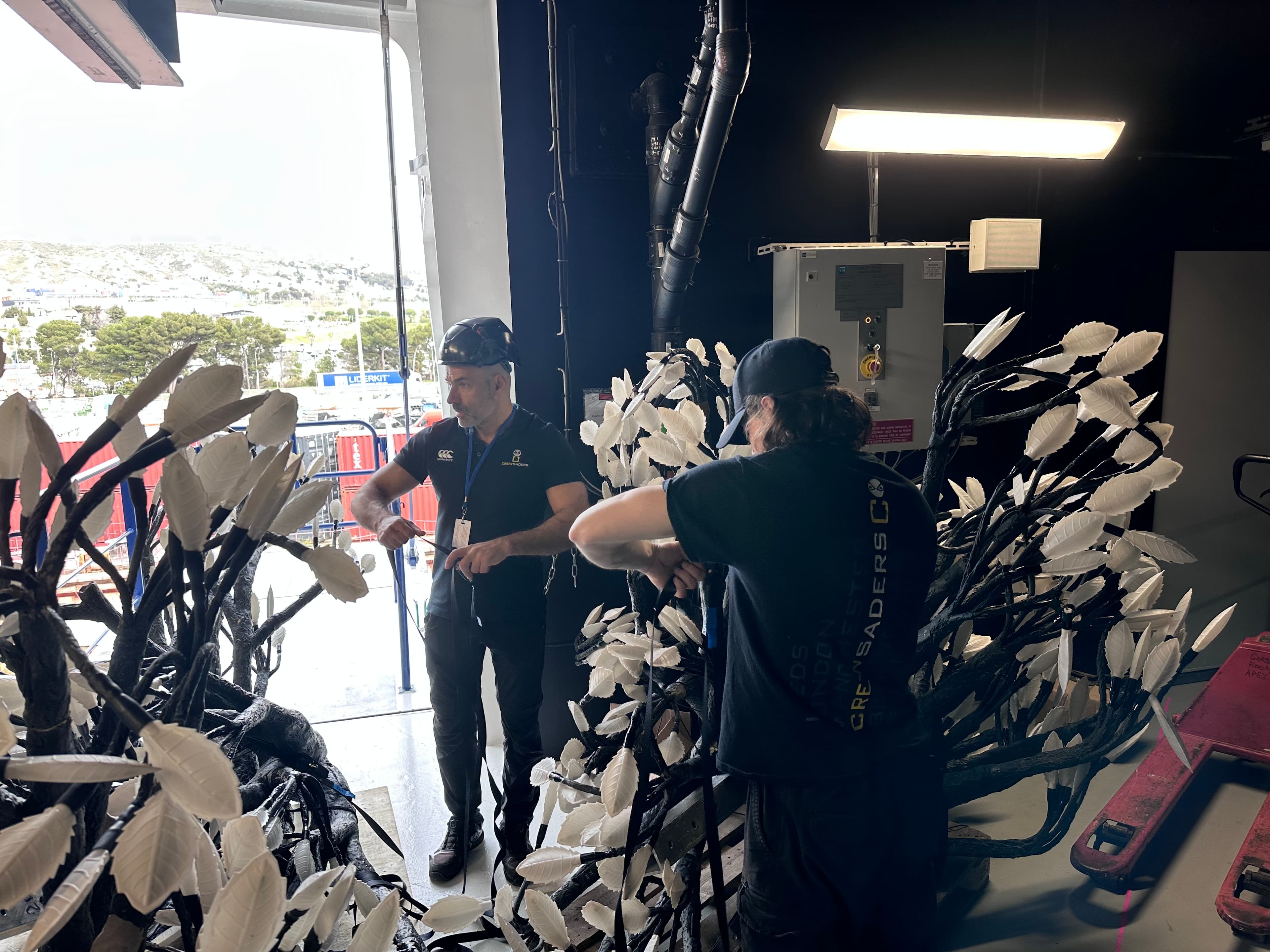
- Carpenters turn drawings into stages and branded moments that hold up on camera and up close.
- LED/lighting techs manage colour temperature, heat, and power; they keep eyes and lenses happy.
- AV specialists make words land and demos sing; signal flow and redundancy are their religion.
- Showcaller/stage management keep the clock honest and the channels disciplined.
- Logistics (forklift, IPAF, tele‑handler) move heavy things safely and exactly where they need to be, when they need to be there.
Budget, without the surprises
Smart budgeting front‑loads reality. Expect day rates aligned to role and experience, overtime past 8 hours, and weekend uplifts. Add travel where applicable, plus access equipment, PPE, and a small contingency. Don’t forget venue‑specific line items: dock time, porterage, waste disposal, power tails/distro, plant hire, parking, and late‑working fees. The big hidden costs are always the same: restricted access windows that stretch builds, last‑minute scope creep, and optimistic turnaround times. Name them early; control them completely.
Venues, decoded
Conference centres like NEC, ExCeL, and Olympia reward experience. Distances are long, docks get busy, and a missed slot hurts. Know your marshalling, know your lift sizes, and know where you’ll stage flightcases during flips. Hotels trade convenience for constraints: banqueting schedules, guest quiet hours, and tight service corridors. Outdoors brings weather, ground protection, and power distribution into play. None of these are problems with the right crew; all of them are risks without one.
Tech that quietly saves the day
LED has moved from “nice” to “necessary”: lower power draw, cooler rooms, and creative flexibility. Modern AV stacks reduce cable chaos, support hybrid audiences, and give you content you can repurpose. Build in quiet redundancy: dual playback, spare mics already patched, clean power for critical kit, and a comms plan everyone actually follows. The point isn’t flashy tech; it’s reliable tech that elevates the message.
Real‑world curveballs, handled
Last‑minute changes happen. A speaker swaps a demo an hour before doors; we duplicate the cue stack, test the path once, and lock it. No heroics, no tinkering.
Tight timelines are a sequencing problem. Two‑hour load‑in? Pre‑rig what you can, stage smart, and run a crew who’ve done the dance before.
Complex specs raise the stakes. Certified techs reduce risk where it’s highest (at height, under load, and on camera).
Budget pressure is real. Right‑size the team to the work. Over‑crewing wastes money; under‑crewing burns it in overtime and stress.
Why teams book Crewsaders
In 2024, across 35,665 shifts, we recorded just 89 no‑shows (a 99.75% reliability rate). If a staff member fails to turn up and we can’t provide a replacement by shift end, we credit you twice the cost of that staff member. It’s not a slogan; it’s how we de‑risk your day.
Mini case study: 900‑person fintech summit
Objective: product credibility and partner confidence. Constraints: overnight build, listed venue, tight power. Crew: 14 general crew, 3 carpenters, 2 LED, 2 AV, 1 crew chief, 1 showcaller. Approach: staged load‑in, carpentry pre‑build offsite, LED plan optimized for power and camera, dual playback and spare lectern mic patched. Result: doors on time, zero AV faults, strike completed 28 minutes ahead of schedule. Post‑event NPS +22 points over prior year.
Quick planning checklist
- Define the “win” in one sentence and brief it over comms.
- Walk the venue with your crew chief before you sign anything.
- Freeze the run‑of‑show a week out; document the exceptions.
- Schedule a 30‑minute “what if” drill for power, access, and people.
- Confirm crew headcount to the work, not the wish list.
- Label everything; save five minutes on strike for every label you apply on build.
- Build a 10% contingency for time and cost; aim not to use it.
Conclusion
The best corporate events feel easy because they’re built on discipline, and delivered by people who’ve done it under pressure. If you want the lights up, doors open, and the room leaning in right on cue, start early, plan honestly, and put experienced hands on the build.
Ready to plan your next corporate event? Contact Crewsaders for a consultation and quote. Our experienced team is ready to help you create an unforgettable experience.